Please Choose Your Language


Please Choose Your Language
Views: 0 Author: Site Editor Publish Time: 2026-09-22 Origin: Site


High-speed marine centrifuges and bilge oily water separators operate under extreme stress. A single failed seal, saturated filter, or worn bearing leads to catastrophic equipment failure, contaminated fuel, or severe MARPOL compliance violations. Technical superintendents and chief engineers must balance procurement budgets against vessel reliability. Over-ordering ties up operational expenditure. Under-ordering or sourcing substandard components for high-hour overhauls risks vessel downtime, engine damage, and port state control detentions. While often used interchangeably, marine oil separators encompass both high-speed centrifugal purifiers for fuel and lube oil, and static Oily Water Separators (OWS) for bilge water treatment. Both require distinct, highly regulated maintenance approaches. Deciding between a standard maintenance kit and a comprehensive major overhaul inventory requires a precise understanding of running-hour intervals, equipment condition, and brand-specific tolerances. This guide breaks down exact part requirements, quality evaluation frameworks, and procurement strategies for marine purifiers and OWS systems.
Running-Hour Dictates Scope: Routine maintenance (typically 2,000–4,000 hours) focuses on elastomers, friction components, and filter media, whereas major overhauls (8,000+ hours) require replacing structural and drive components.
Kit vs. Piecemeal Procurement: Utilizing pre-packaged maintenance kits reduces administrative overhead and ensures no critical micro-components (like specific O-rings or polishing cartridges) are missed during routine tear-downs.
Quality Over Initial Cost: High-speed centrifuge parts must meet exact metallurgical and dimensional tolerances; evaluating OEM versus premium aftermarket suppliers requires strict vetting of manufacturing standards to prevent catastrophic bowl failure.
Brand-Specific Nuances: Alfa Laval and Mitsubishi systems have distinct wear patterns and proprietary drive mechanisms that dictate specific stocking strategies for onboard spares.
Defining a successful maintenance intervention requires strict operational parameters. Success means zero fluid leaks during operation. It demands optimal separation efficiency to remove water and solid particulates. Acceptable vibration levels must be maintained across all speed ranges. Strict 15ppm MARPOL Annex I compliance is non-negotiable for any overboard discharge. Achieving these metrics relies entirely on the integrity of your installed components. Sourcing reliable marine purifier parts ensures the equipment operates within its designed safety margins and prevents catastrophic mechanical failures.
The downstream effects of separator failure are severe. Inefficient fuel purification allows catalytic fines (cat-fines) to bypass the system. These abrasive aluminum and silicon particles cause rapid, irreversible wear on engine cylinder liners and fuel injection pumps. Sludge overflow from a malfunctioning bowl can flood the purifier room, creating severe fire hazards and environmental risks. Failing an OWS discharge test during a Port State Control inspection triggers immediate vessel detention. The resulting legal penalties and reputational damage far exceed the cost of proper maintenance components.
Vessel operators face a constant inventory versus readiness trade-off. Holding major overhaul parts on board requires upfront capital. Ordering them on demand during global supply chain disruptions introduces massive logistical risks. A vessel stuck at anchorage awaiting a replacement worm gear loses thousands of dollars daily. Strategic inventory management mitigates this risk. It ensures wear components are available exactly when running-hour milestones are reached.
Consider the direct consequences of neglecting separator maintenance:
Accelerated wear on main engine fuel injectors due to high water content in the heavy fuel oil.
Increased sludge generation, overloading the vessel's waste oil tanks and requiring expensive shore disposal.
Catastrophic mechanical failure of the centrifuge bowl, posing a lethal threat to engine room personnel.
Port State Control detentions resulting from OWS failures, leading to massive fines and loss of charter contracts.
Premature degradation of lubricating oil, leading to main bearing damage in the propulsion engine.
Intermediate services typically occur between 2,000 and 4,000 running hours. The exact interval depends on the manufacturer specifications and the specific fluid being processed. Heavy fuel oil purifiers generally require more frequent servicing than lubricating oil separators due to higher sludge volumes and operating temperatures approaching 98°C. These high temperatures bake rubber components, accelerating their degradation.
Elastomers and seals form the primary defense against internal leaks. O-rings, bowl seals, and specialized PTFE gaskets maintain operating water pressure. They prevent oil-to-water cross-contamination within the bowl assembly. High centrifugal forces place immense stress on these rubber components. Using a pre-packaged oil separator maintenance kit ensures all necessary seals are replaced simultaneously. This prevents the common mistake of reusing a slightly worn O-ring, which often leads to premature failure and loss of the water seal during operation.
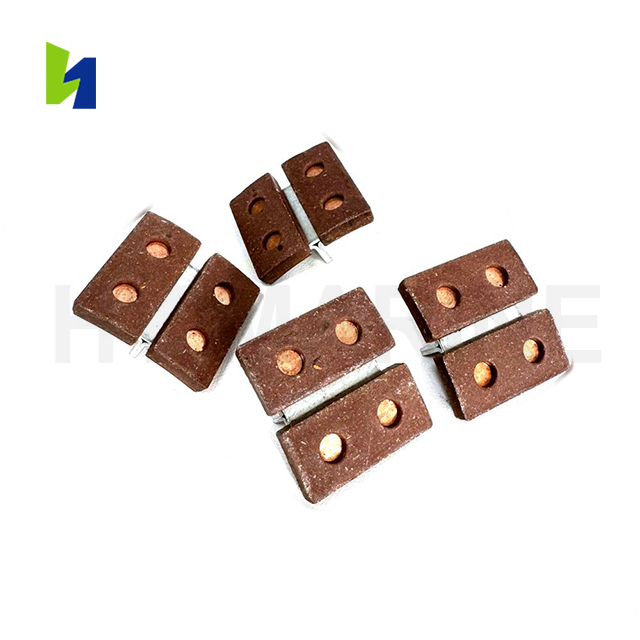
Friction and drive elements also require attention during routine services. Friction blocks and drive belts ensure optimal bowl speed. Power transmission efficiency drops significantly if friction blocks become glazed or worn down. Reduced bowl speed directly compromises separation efficiency, allowing water and particulates to remain in the fuel. Inspecting and replacing these elements guarantees the centrifuge reaches its rated RPM swiftly and maintains it under heavy fluid load.
Bilge water treatment relies heavily on physical filtration and coalescing media to meet MEPC.107(49) regulations. Primary filters remove large particulates that could foul downstream elements. Coalescing elements force microscopic oil droplets to merge into larger drops for separation. Polishing cartridges handle the final stage of purification. You must replace these media before they become saturated. Saturated filters will trigger a 15ppm alarm, activate the three-way valve, and halt overboard discharge operations.
Monitoring cells require equally diligent maintenance. The 15ppm monitor is the final regulatory checkpoint. Routine replacement and calibration of measuring cells ensure accurate discharge readings. Cleaning brushes within the monitor must be inspected and replaced to prevent false alarms caused by biological growth or minor oil fouling on the optical sensors. A fouled sensor will continuously read above 15ppm, rendering the entire OWS system inoperable.
Predictive visual checks help identify issues before a scheduled maintenance interval. Daily monitoring of water discharge clarity provides immediate feedback on separation efficiency. Manual sampling of sludge ports can reveal excessive oil content in the sludge phase. These indicators often predict premature seal failure or incorrect gravity disc selection. Engineers should also monitor the backpressure on the clean oil outlet, as fluctuations often indicate a failing water seal.
Timely sludge removal maintains clean operating conditions. Accumulated sludge restricts fluid flow and imbalances the bowl assembly. Best practices dictate frequent, automated desludging sequences. Maintaining a clean internal environment extends the lifespan of internal bowl components and prevents premature fouling of OWS filter media. If the operating water slide becomes jammed with hardened sludge, the bowl will fail to open, leading to a complete loss of separation.
Major services occur between 8,000 and 12,000 running hours. This intervention requires the complete disassembly of the separator. It involves inspecting and replacing structural, drive, and high-wear internal components that are inaccessible during routine maintenance. Sourcing exact-specification Marine Oil Separator Parts is mandatory to restore the equipment to factory tolerances and prevent severe mechanical breakdowns.
A complete drive system overhaul is mandatory at this stage. Bearings, worm gears, and worm wheels endure continuous mechanical stress. Replacing these parts prevents excessive vibration and catastrophic drive failure. Worn gear teeth introduce backlash, which translates into destructive harmonic vibrations across the entire machine. When replacing bearings, engineers must use induction heaters to expand the inner races, avoiding direct hammer blows that cause micro-fractures in the bearing steel.
The spindle and bowl assembly require meticulous evaluation. The vertical spindle shaft must be checked for runout and deflection using a dial indicator mounted on V-blocks. Even microscopic bending causes severe imbalance at high speeds. Bowl discs must be inspected for wear, pitting, or loss of spacing. Caulks on the discs maintain the exact gap required for laminar flow. If these caulks wear down, separation efficiency plummets, necessitating immediate replacement of the entire disc stack.
Clearance and tolerance checks determine the health of the drive mechanism. Engineers must measure gear backlash and bearing clearances against strict manufacturer specifications. Operating outside these tolerances leads to rapid component destruction. Accurate measurements dictate whether a shaft can be reused or must be replaced entirely. The height of the spindle must also be measured precisely, as an incorrect height will misalign the bowl with the stationary paring tubes, causing severe friction and metal shavings.
Vibration analysis provides diagnostic data. Using baseline vibration data helps determine if a major overhaul must be accelerated prior to the recommended running-hour interval. Spikes in specific frequency bands indicate bearing degradation or bowl imbalance. Monitoring these trends allows for planned interventions rather than emergency repairs at sea.
Marine-grade tooling is absolutely required during a major overhaul. You must use OEM-specified bowl lifting tools, specialized spanners, and bowl compression tools. Improvised tools easily damage high-tolerance parts during disassembly. A scratched spindle shaft or a dented bowl hood compromises the entire assembly and introduces severe safety risks. The bowl lock ring, in particular, requires a specific striking wrench to loosen without damaging the threads.
Lubricants and greases play a vital role in reassembly. Ensure the availability of specific marine-grade greases and lubricating oils. Drive gears require specific viscosity oils to handle high shear forces. Bearings demand high-temperature greases that will not break down under continuous operation. Using incorrect lubrication guarantees premature drive failure and excessive heat generation in the gear casing.
Component | Inspection Method | Rejection Criteria | Replacement Action |
|---|---|---|---|
Worm Gear | Visual / Dial Indicator | Excessive pitting, backlash > 0.5mm | Replace gear and wheel as a matched set |
Spindle Shaft | Dial Indicator on V-blocks | Runout exceeding 0.04mm | Replace spindle shaft immediately |
Bowl Discs | Visual / Feeler Gauge | Worn caulks, loss of spacing | Replace entire disc stack |
Friction Blocks | Caliper Measurement | Thickness below OEM minimum | Replace all blocks simultaneously |
Operating Water Slide | Visual / Tactile | Scoring on the sliding surface | Machine or replace the slide |
Specific manufacturer designs heavily influence part degradation and procurement needs. Understanding the engineering philosophy behind different brands allows chief engineers to optimize their onboard inventory and anticipate specific failure modes.
Model-specific wear patterns dictate inventory requirements. Older solid-bowl models require different maintenance approaches compared to modern self-cleaning S-type and P-type separators. Modern units utilize advanced ALCAP technology, CentriShoot, and CentriLock components. These require specialized removal tools and specific replacement intervals. Sourcing accurate Alfa Laval separator parts ensures compatibility with these proprietary discharge mechanisms and prevents damage to the bowl body.
Control system spares are equally required. Mechanical overhauls often overlook the electronic components that govern separator operation. Solenoid valves, EPC cards, and water transducers (like the WT200 series) frequently require replacement alongside mechanical parts. A perfectly overhauled mechanical bowl will fail to operate if the EPC controller cannot send the correct desludging signals or if the water transducer fails to detect water in the oil outlet.
Mitsubishi systems feature distinct drive mechanism nuances. The SJ-G and SJ-H series utilize specific vertical and horizontal gear assemblies. Bearing housings in these units have unique lubrication pathways. Maintaining these pathways is required for heat dissipation. Procurement strategies must account for these specific mechanical layouts when ordering Mitsubishi separator parts, ensuring the correct gear ratios and bearing types are supplied.
Water management components also require specific attention. Mitsubishi's operating water modules and heavy liquid discharge mechanisms have distinct wear rates. The water harness, pilot valves, and operating water discs must be inspected meticulously. Failure in the water management system leads directly to broken water seals and oil discharging through the water outlet, triggering immediate alarms and halting the purification process.
Balancing upfront procurement costs against long-term operational risk requires a strict evaluation framework. The maritime industry offers various tiers of spare parts, from Original Equipment Manufacturer (OEM) components to premium aftermarket alternatives. Selecting the right tier depends entirely on material integrity and manufacturing tolerances.
Metallurgy in high-speed centrifuges is a primary safety factor. Exact material composition is non-negotiable at speeds exceeding 8,000 RPM. Worm gears require specific bronze alloys to provide sacrificial wear against steel shafts. Bowl components demand high-tensile, duplex stainless steel to withstand massive centrifugal forces and resist pitting corrosion from acidic sludge. Substandard metallurgy leads to rapid wear, gear stripping, or catastrophic bowl disintegration.
Elastomer compatibility has become increasingly complex. Modern vessels burn low-sulfur fuel oils (VLSFO) and various biofuel blends. These fuels possess aggressive chemical profiles containing aromatic compounds that degrade standard rubber rapidly. Seals require high-grade Viton (FKM) or specific nitrile blends to withstand these modern fuels and aggressive chemical cleaners. Using outdated rubber compounds guarantees premature seal failure, swelling, and continuous leakage.
Calculating the true operational impact involves analyzing lifespan versus initial price. A cheaper aftermarket part might seem financially attractive initially. If that part requires replacement at 4,000 hours instead of the standard 8,000 hours, the labor costs and downtime negate any savings. Frequent interventions increase the risk of reassembly errors, stripped threads, and operational disruptions during critical maneuvering periods.
Warranty and liability coverage provide protection. Evaluate the warranty coverage provided by alternative suppliers. Determine their liability in the event of a part-induced machinery failure. Reputable premium aftermarket suppliers offer warranties that match or exceed OEM standards. They provide full traceability and accept liability for manufacturing defects. Suppliers lacking this documentation introduce unacceptable risk to the vessel and its crew.
Practical steps for chief engineers and purchasing departments ensure safe and effective maintenance. Managing inventory effectively prevents emergency ordering and ensures maintenance schedules are executed without delay.
Verification protocols are your first line of defense. Counterfeit components flood the maritime supply chain, posing severe safety risks. Engineers must know how to spot counterfeit components upon delivery. Look for inconsistent machining marks, poor packaging quality, and missing part numbers. The lack of proper traceability certificates or material declarations is a massive red flag. Counterfeit O-rings often lack the correct shore hardness, leading to immediate blowout under pressure.
Supplier vetting establishes a secure procurement pipeline. Establish a strict framework for auditing third-party suppliers. Demand proof of ISO certifications and class society approvals. Conduct reference checks with other fleet operators. A verified supplier will transparently share their manufacturing processes, quality control procedures, and material testing reports.
Align onboard spare gear inventory with classification society minimums as a baseline. Class requirements represent the absolute minimum for safe operation, not necessarily best practice for maximum reliability. Factor in the vessel's specific trading routes and the lead times for delivering heavy components to remote ports. A replacement worm gear assembly might have a six-week lead time, making onboard stocking mandatory for vessels on long-haul routes.
Stocking complete maintenance kits rather than individual O-rings prevents delays during tear-downs. Maintain at least one complete set of major overhaul parts for the most critical purifiers on board. This ensures the vessel remains self-sufficient even if supply chains break down during extended voyages or unexpected mechanical failures.
Optimizing your marine oil separator maintenance strategy requires proactive planning and strict quality control. Implement these actionable steps to secure your vessel's operational reliability:
Audit your current onboard inventory against upcoming 4,000-hour and 8,000-hour running milestones to prevent parts shortages.
Establish strict metallurgical and certification vetting protocols for all aftermarket parts suppliers before issuing purchase orders.
Standardize the procurement of pre-packaged maintenance kits to eliminate missing micro-components during routine services.
Calibrate 15ppm monitors and replace OWS coalescing media proactively before entering strict port state control jurisdictions.
A: Routine maintenance, often called an intermediate service, is typically performed every 2,000 to 4,000 running hours. This interval depends on the manufacturer's guidelines and the type of fluid being processed. Heavy fuel oil purifiers usually require more frequent servicing than lubricating oil purifiers due to higher sludge content and operating temperatures.
A: A standard kit includes all necessary consumable seals for a routine tear-down. This primarily consists of O-rings, bowl seals, specialized PTFE gaskets, and sometimes friction blocks or drive belts. Using a complete kit ensures no critical seals are reused, preventing premature leaks.
A: Counterfeit parts often exhibit inconsistent machining marks, rough finishes, and poor-quality packaging. The most reliable indicator is the lack of proper documentation. Always demand material traceability certificates and verify the supplier's ISO and class society approvals before installation.
A: Modern fuels like VLSFO and biofuels contain chemical profiles that rapidly degrade standard rubber compounds. Seals must be made from high-grade Viton or specific nitrile blends to withstand these aggressive chemicals and high operating temperatures without hardening, swelling, or cracking.
A: A major overhaul is generally required between 8,000 and 12,000 running hours. This service involves complete disassembly to replace high-wear structural and drive components, including worm gears, bearings, and the vertical spindle shaft, restoring the unit to factory tolerances.
A: You can only reuse the spindle shaft if it passes strict dimensional and runout checks. Engineers must use a dial indicator to measure deflection. If the runout exceeds the manufacturer's maximum tolerance, the shaft must be replaced to prevent severe bowl imbalance.